
One of the things adult adoptees mention most often is the relief of talking with someone who does not need the basics explained. Conversations with friends, partners and even good therapists can stall on questions such as "but aren't you glad you were adopted?" Among other adoptees, those questions rarely come up, and the conversation can go further. This page describes the kinds of community adoptees commonly find helpful and what to look for in them.
Kinds of Peer Support
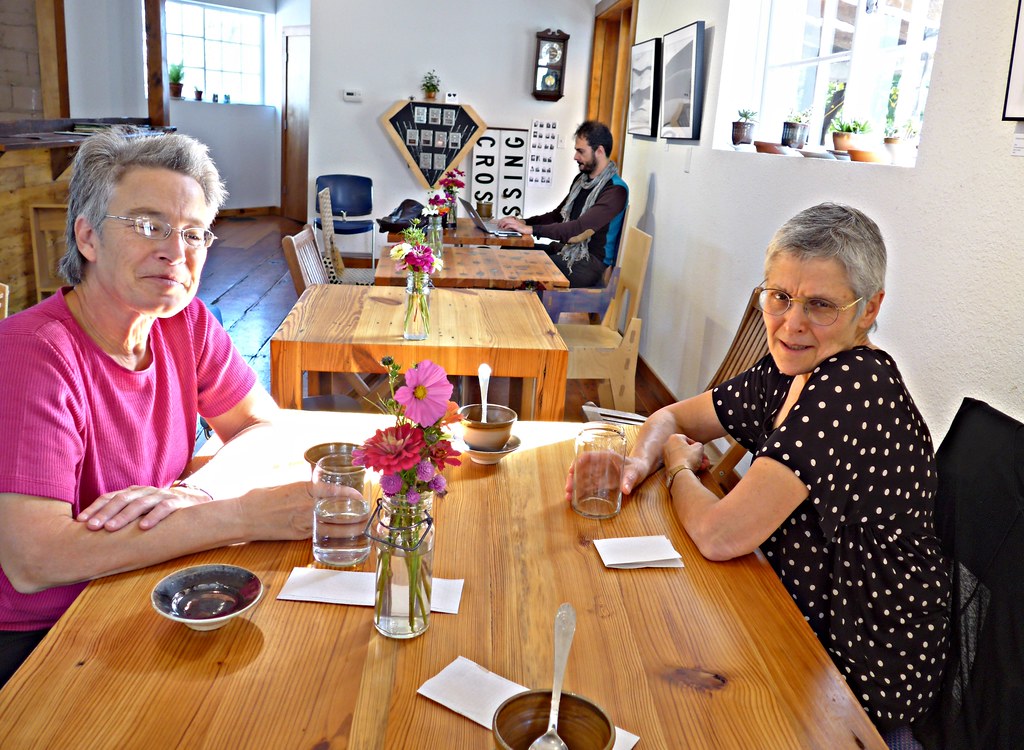
- Local groups. Regular informal meetings, often in a library, community centre or cafe. Small groups tend to stay honest and manageable.
- Online groups and forums. Useful for people who live far from others with a similar background, or who want some anonymity. Moderation and clear rules matter a great deal.
- Background-specific communities. Groups for people adopted from a particular country, or for transracial adoptees, can offer shared cultural reference points.
- Cultural activities. Cooking classes, language circles, film screenings and festivals give a way to engage with heritage alongside others without having to explain yourself.
- Retreats and workshops. Longer formats, from a single day to a weekend, often reach topics that a two-hour meeting cannot.
What a Good Group Looks Like
Healthy adoptee spaces share a few features. They allow different stories to coexist — people who searched and people who did not, people who are close to their adoptive families and people who are not. They do not pressure anyone into a position, whether that is gratitude or anger. They are clear about confidentiality and about where peer support ends and professional help begins. Be wary of groups that present one story as the only authentic adoptee experience, or that push members toward paid services.
Events and Gatherings
Many communities organise seasonal gatherings: picnics, holiday meals, cultural festivals, panel discussions with adoptee writers or researchers, and information sessions on records or citizenship. When choosing an event, read the description for who it is designed for — adoptees only, families, or the general public — and whether it is in person, online or both. It is perfectly fine to attend once, listen, and decide later whether to return.
Support for the People Around Adoptees
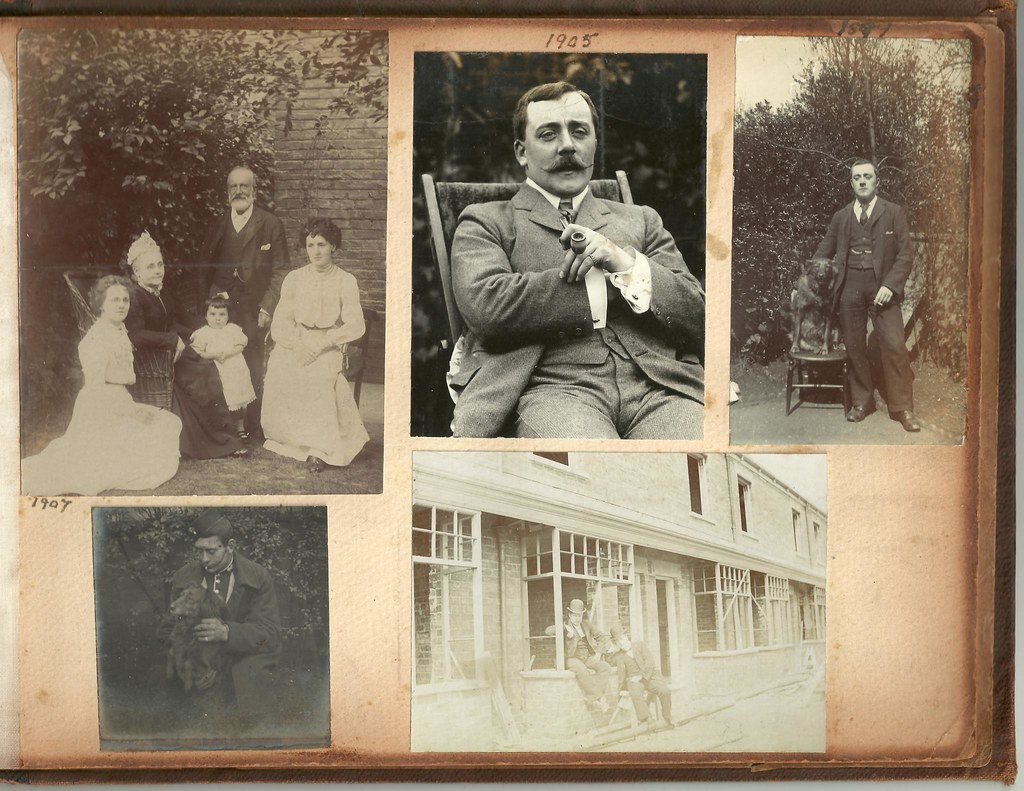
Partners, adoptive parents and siblings sometimes need their own space to ask questions without placing that burden on the adoptee. Groups and reading aimed at adoptive families can help them understand an adult child's search without making it about themselves. Birth relatives, too, often benefit most from meeting other birth parents.
Giving Your Time
Many adoptees eventually find meaning in helping others: welcoming newcomers at a group, helping someone read a confusing record, translating a letter or sharing what a first meeting was really like. If you want to contribute, start small, stay within what you can manage, and keep your own support in place.